Leading Through Service: Abdirizak Ibrahim’s Commitment to Community
Paying it forward
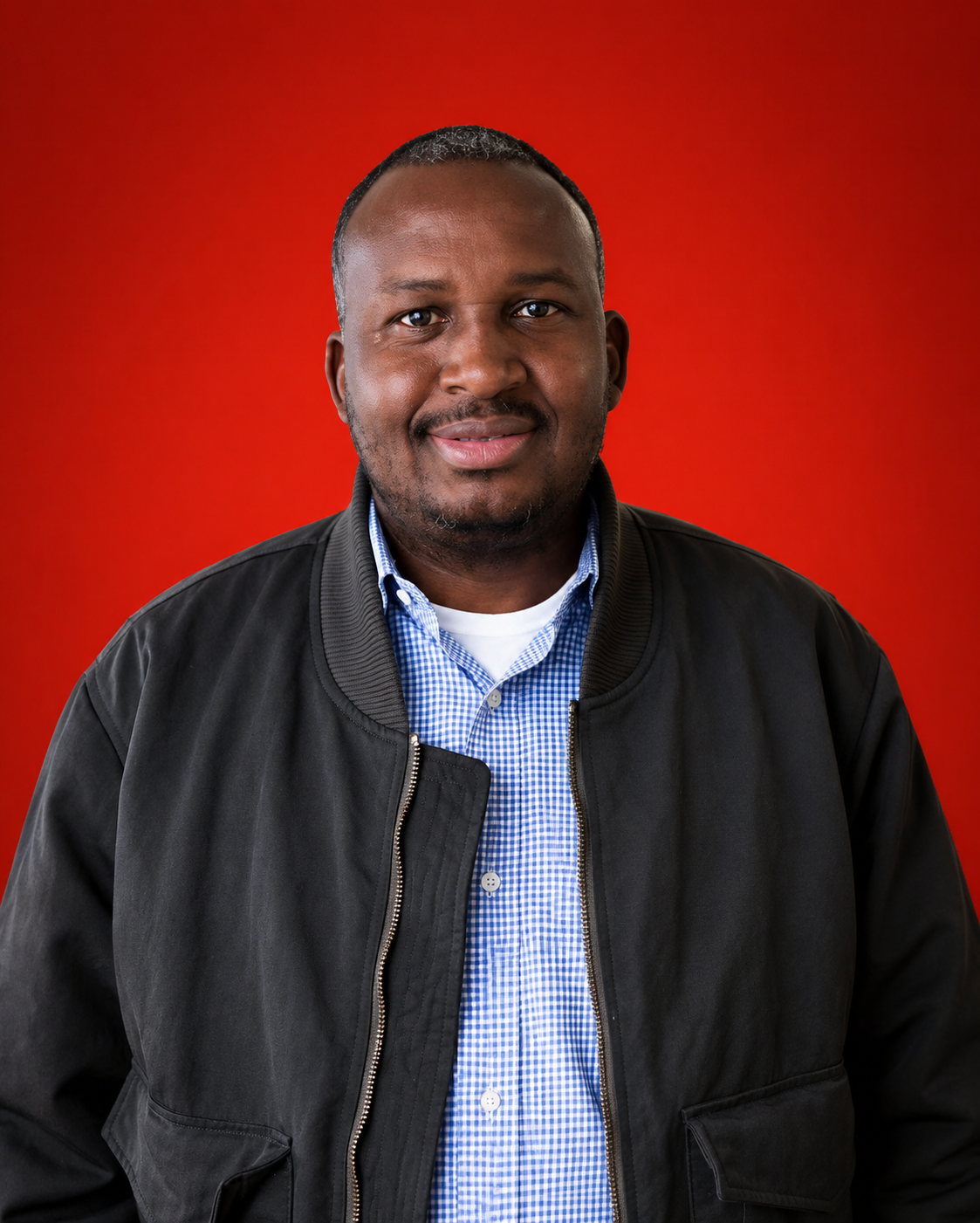
When Abdirizak Ibrahim arrived in Utah in 1998 after fleeing Somalia and spending time in Kenya, he faced the daunting challenge of navigating an unfamiliar world. Learning how to ride the bus, communicate in English, and access basic services were everyday hurdles. What made the difference, he recalls, was the support he received from others. Those experiences inspired a lifelong commitment to helping newcomers find the same guidance and opportunities that helped him establish a new life.
Today, Abdirizak serves as Executive Director of the Somali Community Self-Management Agency (SCSMA), where he works to empower immigrants and refugees to build stable, self-sufficient lives in the United States. His leadership reflects a simple but powerful philosophy: service to others creates stronger communities.
Building a Home for Newcomers
Founded in 2009, SCSMA has become a vital resource for refugee and immigrant families in Salt Lake City’s west side neighborhoods. The organization provides food assistance, cultural programming, housing and employment support, health services, and youth engagement opportunities. Under Abdirizak’s leadership, SCSMA has grown into a trusted community institution that responds to the evolving needs of the populations it serves.
Abdirizak credits the Westside Leadership Institute (WLI) with helping him strengthen his ability to lead and expand the organization’s impact. Although he does not remember every course or workshop, he clearly recalls why he enrolled. “I decided to go to WLI to get enough knowledge, and that knowledge should help [our] local community,” he explains. The leadership training he received helped him rethink SCSMA’s organizational structure and develop practical skills, including grant writing, that were essential for securing resources and sustaining the agency’s work.
Learning to Lead Through WLI
Beyond organizational management, WLI shaped Abdirizak’s approach to leadership. He learned the importance of listening carefully, valuing diverse perspectives, and responding directly to community concerns. These lessons influenced programs such as SCSMA’s “Surviving ESL” course, developed in partnership with University Neighborhood Partners (UNP). The course teaches practical English skills that help newcomers navigate daily life, including using public transportation, opening bank accounts, and communicating in common situations. By focusing on real-world challenges, the program helps refugee families gain confidence and independence.
Abdirizak’s leadership is deeply collaborative. SCSMA works closely with organizations including the Pan-African Westside Salt Lake Co-op, Salt Lake American Refugee Service, Salt Lake Community College, and the Glendale Community Council. Through these partnerships, the agency addresses the interconnected challenges facing refugee families, recognizing that housing, education, employment, health, and community belonging are all linked. The organization advocates for expanded educational opportunities, including support for a new high school in Glendale. At the same time, SCSMA continues to help families secure affordable housing and employment, recognizing that economic stability is fundamental to successful integration and long-term well-being.
Creating Spaces of Belonging
The impact of SCSMA extends beyond its formal programs. Located in Glendale, the agency shares space with a collection of immigrant-owned businesses, including a grocery store, money transfer service, restaurant, tailor shop, barber shop, and musalla (prayer space). Abdirizak describes the area as a “Somali mall,” a gathering place that serves not only economic needs but also social and cultural ones.
These spaces help foster a sense of belonging and connection for community members navigating life in a new country. The center also provides opportunities for youth engagement, creating safe spaces that support positive development and strengthen community ties.
Like many immigrant and refugee communities, the Somali community has faced significant challenges in recent years, including shifts in refugee policy and a more uncertain political climate. Community celebrations and cultural traditions have sometimes been disrupted, affecting morale and social connections. Yet Abdirizak remains optimistic and resilient.
“Whatever happens, we have to accept it,” he says. “It’s just for the short term.”
His perspective reflects the determination that has characterized both his own journey and the experiences of many families he serves.
Central to Abdirizak’s leadership is humility. He intentionally avoids being the center of attention, preferring to “sit all the way in the back” and create opportunities for others to lead. By elevating community voices rather than his own, he fosters shared ownership and collective empowerment.
Preparing the Next Generation of Leaders
Looking ahead, Abdirizak hopes to strengthen the connection between SCSMA and WLI, particularly through leadership opportunities for young people. He envisions programs that introduce leadership development earlier in students’ educational journeys and create pathways to higher education and civic engagement.
For Abdirizak, investing in youth is essential to sustaining the progress communities have worked so hard to achieve. Preparing the next generation of leaders ensures that future challenges will be met with the same resilience, collaboration, and commitment to service that have guided his own work.
Abdirizak Ibrahim’s journey—from a newcomer learning to navigate an unfamiliar city to a community leader helping shape opportunities for countless families—demonstrates the transformative power of support, education, and inclusive leadership. His story reflects the impact of the Westside Leadership Institute and the ways its graduates continue to strengthen communities across Utah.
This profile was researched and written by University of Utah students Eliza Beal and Joaquin Lopez Huertas based on interviews conducted as part of the WLI Alumni Profile Series. The series explores how WLI graduates apply leadership skills developed through the Westside Leadership Institute to strengthen their communities. The project is led by Dr. Stacy Harwood and supported by funding from the College of Architecture + Planning Research Incentive Seed Grant Program and the University Neighborhood Partners Community Scholar in Residence Program at the University of Utah.
