Bringing Oaxaca Home. Norma Carver and Oaxaca en Utah
Finding Home Away from Home
On a summer day in Kaysville, Utah, thousands gather to watch dancers in colorful traditional dress, listen to traditional music, and celebrate the vibrant cultures of Oaxaca, Mexico. What has become one of Utah's largest celebrations of Oaxacan culture began with a simple feeling: homesickness.
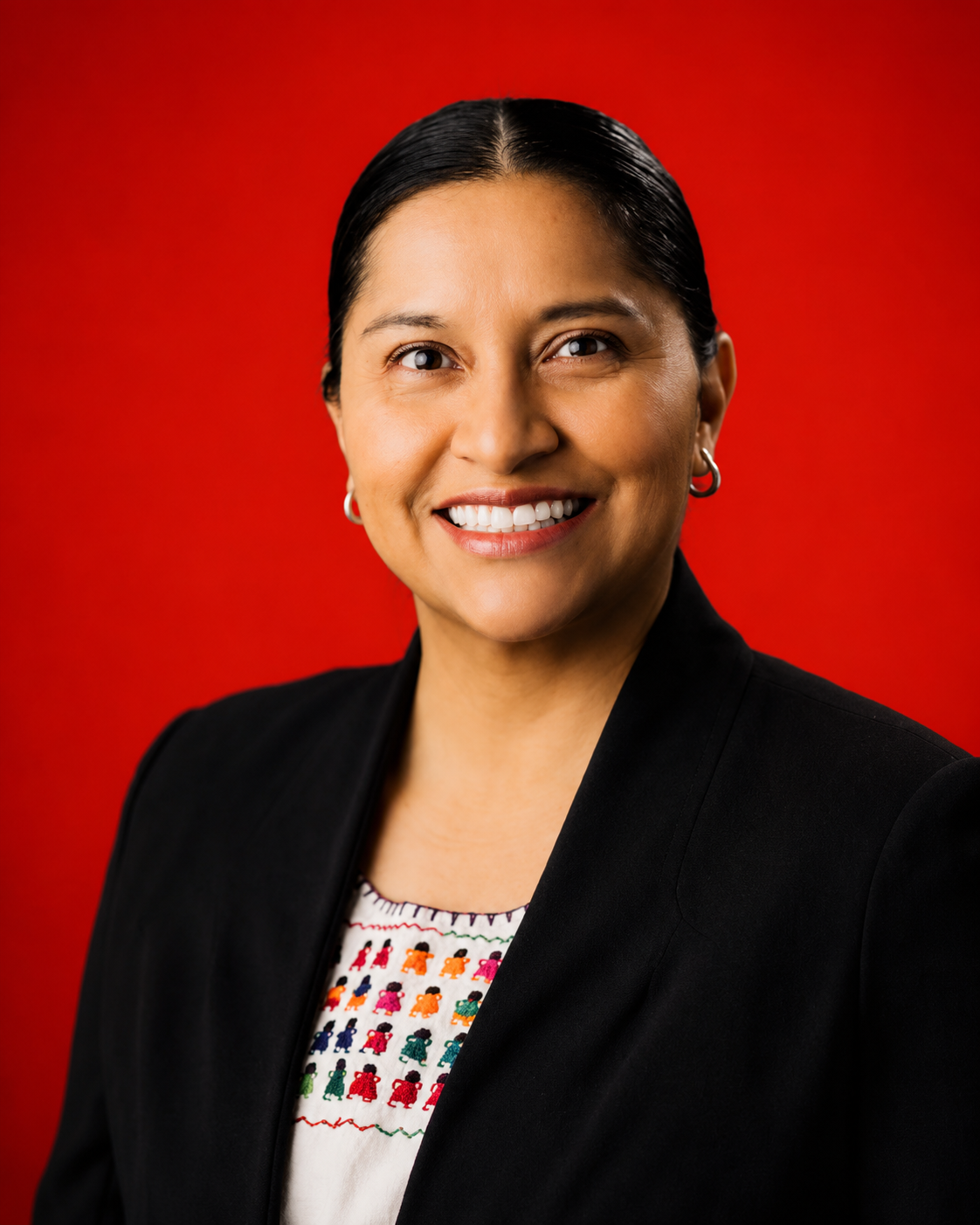
For Norma Carver, founder of Oaxaca en Utah, longing for home became the catalyst for building community, preserving cultural traditions, and creating a lasting legacy for Oaxacans across the state.
Originally from the Sierra Sur region of Oaxaca, Mexico, Norma moved to the United States in the early 2000s. After relocating from Wisconsin to Kaysville in 2008, she found herself missing the food, music, traditions, and family connections that had shaped her life.
"Not having my family around, or the food and the music, made me miss Oaxaca terribly. One day, I said, 'Let's put on the Guelaguetza!'" ["Al no tener a mi familia, no tener la comida, la música, empecé a extrañar mucho a Oaxaca. Yo dije un día vamos a hacer la Guelaguetza!"]
The Guelaguetza, one of Oaxaca's most important cultural celebrations, embodies a spirit of reciprocity, generosity, and community among the state's eight regions. Its name comes from the Zapotec language and refers to the practice of offering gifts or mutual support. For Norma, bringing the Guelaguetza to Utah became a way to reconnect with her heritage while creating a space where others could do the same.
Building a Community Vision
The vision grew gradually. In 2016, Norma and her husband, Benjamin Carter (WLI alumni too), launched a photography and video business that unexpectedly expanded their connections with Oaxacan families throughout Utah. As their network grew, so did the idea of creating a cultural organization dedicated to celebrating and sharing Oaxacan traditions.
The first Guelaguetza in Utah took place privately during the COVID-19 pandemic in 2020. Though modest, it marked the beginning of something much larger. In 2021, the celebration opened to the public and welcomed approximately 500 attendees. Norma's strong relationship with local leaders helped make the event possible.
"I have a wonderful relationship with the mayor of Kaysville." ["Tengo una relación muy linda con la mayor de Kaysville."] With city support, organizers were able to close streets and expand the festival. As attendance continued to grow, Norma recognized the need for a formal structure and registered Oaxaca en Utah as a 501(c)(3) nonprofit organization in 2022.
Learning to Lead
That same year, Norma began participating in programs offered by the Westside Leadership Institute (WLI). Introduced to the organization by community leader and instructor Fanny Blauer, she completed Fundamentals, Workshops, and Startups courses between 2022 and 2024.
The experience strengthened her understanding of nonprofit management, strategic planning, fundraising, and community engagement. More importantly, it gave her confidence to share her vision with others.
"WLI gave me the confidence to talk about my dream and share it with everyone." ["WLI me dio muchísima más confianza de hablar de mi sueño, de compartirlo con todos."]
For Norma, leadership is not about individual recognition but about creating opportunities for others to contribute and thrive. She believes that every member of Oaxaca en Utah brings value to the organization and plays an important role in its success. This collaborative philosophy has helped sustain the organization's growth and deepen its community impact.
Growing the Guelaguetza
Today, Oaxaca en Utah has grown into a major cultural organization that connects communities across Utah and beyond. The annual Guelaguetza festival now attracts as many as 15,000 attendees in a single day, drawing visitors from Arizona, Texas, Nevada, Idaho, Washington, and other states.
Each July, the festival showcases traditional dance, music, art, food, and Indigenous languages while creating opportunities for local artists, performers, and artisans to share their talents. Although rooted in Oaxacan traditions, the event also welcomes cultural participation from communities representing Guatemala, Peru, China, several African nations, and other parts of the world.
The scale of the festival requires year-round planning. Norma and her team coordinate volunteers, fundraising efforts, artisan partnerships, traditional regalia production, vendor management, marketing, and media outreach. Yet she describes the work as a collective effort sustained by community commitment and shared purpose.
Creating Safe and Welcoming Spaces
That sense of community has become especially important in recent years. Shifting immigration policies and increased enforcement activity have created uncertainty and fear for many immigrant families, affecting participation in cultural events.
In response, Norma and Benjamin have implemented transportation services for performers and developed comprehensive safety plans that include trusted communication channels, designated safety personnel, and contingency procedures. Their goal is simple: ensure that community members can celebrate their culture in a welcoming and secure environment.
Norma approaches challenges with the same values that have guided Oaxaca en Utah from the beginning—dialogue, respect, and leading by example.
"It's about trying to be an example for yourself and not competing with anyone." ["Solamente es tratar de ser un ejemplo para ti misma. No competir con nadie."]
This mindset has helped foster trust within the organization and strengthen relationships throughout the broader community.
A Vision for the Future
Looking ahead, Norma's vision extends beyond the annual festival. Her long-term dream is to establish a permanent Oaxacan Cultural Center in Davis County that would provide music and dance instruction, art programs, language classes, and culinary education throughout the year.
"It has always been my dream to have an Oaxacan Cultural Center here in Davis County, a place for music and dance, as well as art programs, language classes, and culinary instruction." ["Siempre ha sido mi sueño de tener una Casa Cultura Oaxaqueña aquí en el condado de Davis, para tener programas de música, tener programas de baile, más programas de arte, de los idiomas o dialectos y enseñar mucha gastronomía."]
Such a center would provide a permanent home for the community she has spent years building while ensuring that Oaxacan traditions continue to flourish for future generations.
Norma Carver's story demonstrates the power of cultural identity to inspire leadership and community transformation. What began as a longing for home has grown into a movement that connects thousands of people, preserves traditions, and creates a sense of belonging far from Oaxaca. Through Oaxaca en Utah, she has transformed memory into celebration and culture into a bridge that brings communities together.
This profile was researched and written by University of Utah student Joaquin Lopez Huertas based on interviews conducted as part of the WLI Alumni Profile Series. This interview was conducted in Spanish. The series explores how WLI graduates apply leadership skills developed through the Westside Leadership Institute to strengthen their communities. The project is led by Dr. Stacy Harwood and supported by funding from the College of Architecture + Planning Research Incentive Seed Grant Program and the University Neighborhood Partners Community Scholar in Residence Program at the University of Utah.
