From Listening to Leading: Marcela Fioramonti’s Work in Dementia Care
Finding a Need No One Was Addressing
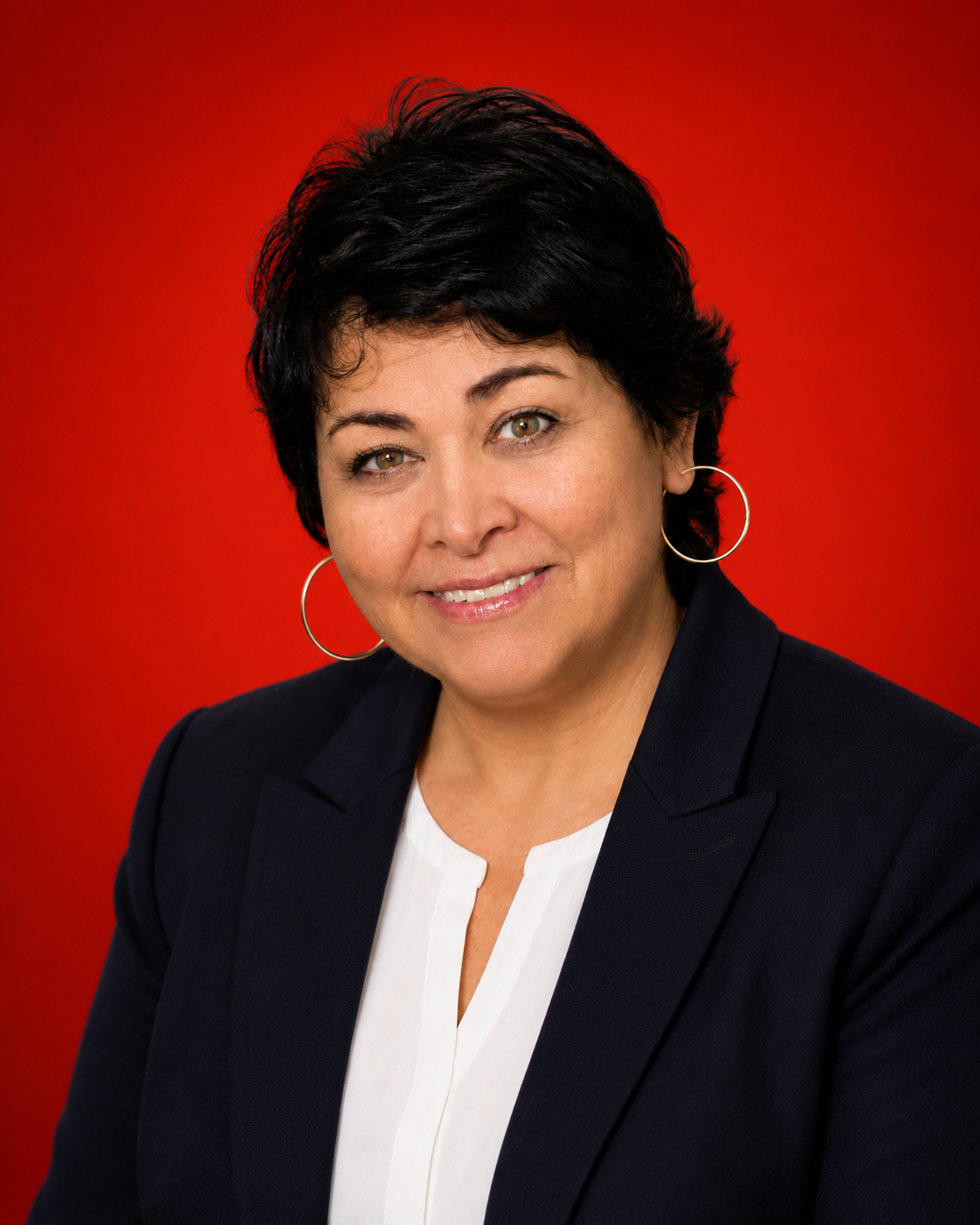
After years of working in different community-focused roles, Marcela began noticing a recurring issue that was affecting many families but receiving little attention. “Nos dimos cuenta de que había un área que nadie estaba cubriendo… y era la demencia.”/ “We realized there was an area no one was covering… and it was dementia.”Again and again, she encountered families struggling to understand dementia and its effects, particularly within the Hispanic community. Many caregivers felt overwhelmed, isolated, and unsure where to turn for information or support. What Marcela observed was more than a healthcare challenge—it was a gap in education and awareness that was leaving families to navigate a complex disease on their own.
Turning Concern into Action
As she learned more about dementia and the challenges families faced, Marcela became increasingly convinced that something needed to be done. At the same time, her participation in WLI helped her develop the leadership skills and confidence necessary to transform concern into action.
Rather than viewing community work solely through the lens of volunteering, she began thinking about how sustainable, community-driven programs could create long-term impact.
That shift in perspective ultimately led Marcela to found Active Minds, an organization dedicated to providing education, resources, and support for individuals living with dementia and the caregivers who support them.
Addressing Dementia in the Hispanic Community
One of the biggest challenges Active Minds seeks to address is the lack of awareness surrounding dementia within Hispanic communities.
Too often, symptoms are dismissed as a normal part of aging rather than recognized as signs of a progressive neurological condition. This misunderstanding can delay diagnosis, treatment, and access to critical resources.
At the same time, many families face barriers to healthcare in the United States, including language obstacles, limited access to services, and a lack of culturally relevant information. Even when families recognize that something is wrong, they may not know where to seek help or how to support a loved one experiencing cognitive decline.
For Marcela, these realities reinforced the need for community-based education that is both accessible and culturally responsive.
Building Trust Through Education
Active Minds approaches dementia care from a community education perspective. Rather than serving as medical providers, Marcela, her husband Mario, and their team focus on helping families better understand the disease and its progression.
They provide practical guidance on topics such as stress management, caregiving strategies, and ways to help individuals living with dementia maintain their independence and quality of life for as long as possible.
A major focus of their work is supporting caregivers, who often experience significant emotional, physical, and mental strain while caring for loved ones. “Sabíamos que era necesario hacerles saber que el Alzheimer no para.”/ “We knew that it was necessary to let them know that Alzheimer’s does not stop.”
For Marcela, education is about more than solving immediate problems. It is about giving families tools, knowledge, and confidence they can continue using throughout their caregiving journey.
Growing Through Community Support
Following her time in WLI, Active Minds received one of the largest grants awarded through the program. The funding helped the organization expand its outreach and continue building services for the community.
As the organization's impact grew, its work began attracting attention beyond the families it served. In 2021, Active Minds was featured in KUTV's Pay It Forward segment, which highlighted the organization's efforts to educate Latino and Hispanic communities about Alzheimer's disease and dementia. The story showcased the group's educational programming, volunteer-led activities, and commitment to helping community members recognize and address memory-related concerns.
The coverage also highlighted one of the challenges Marcela and her team continue to address: in many Hispanic families, conversations about dementia and memory loss are often delayed because seeking a diagnosis can carry stigma or be viewed as unnecessary. Through workshops, support groups, and educational activities, Active Minds works to change that narrative by creating a trusted space where families can learn, ask questions, and find support. Since then, much of the organization's growth has come through trust, relationships, and word of mouth.
Today, Active Minds remains an entirely volunteer-run organization. No member of the team receives financial compensation for their work. Instead, the organization's strength comes from a shared commitment to serving families affected by dementia and creating lasting community impact.Despite limited resources, Active Minds has continued to grow through the meaningful connections it builds with families and caregivers every day.
Leadership Rooted in Community
Marcela credits WLI with helping her develop a clearer vision for both her leadership and her organization. The experience provided structure, mentorship, and support that helped transform an identified community need into a sustainable initiative.
More importantly, it reinforced her belief that effective leadership begins with listening. By paying attention to the concerns of families in her community and responding with empathy, education, and action, she has helped create a resource that did not previously exist.
What began as recognizing a gap in dementia support has grown into a trusted source of guidance for families navigating one of life’s most difficult challenges.
Looking Ahead
As community needs continue to evolve, Marcela remains focused on ensuring that Active Minds evolves alongside them. Her approach to leadership remains simple: listen, learn, and respond. For her, the mission is far from finished. As long as there are families facing dementia without the support and education they need, the work will continue.
This profile was researched and written by University of Utah student Hayllen Meneses Rosas based on interviews conducted as part of the WLI Alumni Profile Series. The series explores how WLI graduates apply leadership skills developed through the Westside Leadership Institute to strengthen their communities. The project is led by Dr. Stacy Harwood and supported by funding from the College of Architecture + Planning Research Incentive Seed Grant Program and the University Neighborhood Partners Community Scholar in Residence Program at the University of Utah.
